
Ghost Paw K9 Group LLC
Is Your Home Making You Sick? Our Mold Detection Dogs Can Tell You
Choosing the Right Team to do Your Mold Inspection
Our specially trained dogs detect mold faster and more accurately than traditional methods, saving you time and money.
- Non-invasive detection behind walls and in hidden areas.
- Certified handlers with years of experience.
- Environmentally friendly and safe for your home.
- Quick results with detailed reports.
What We Offer
Our Services
Tailored to every dog, every goal, and every owner.
The Ghost Paw K9 Group Team
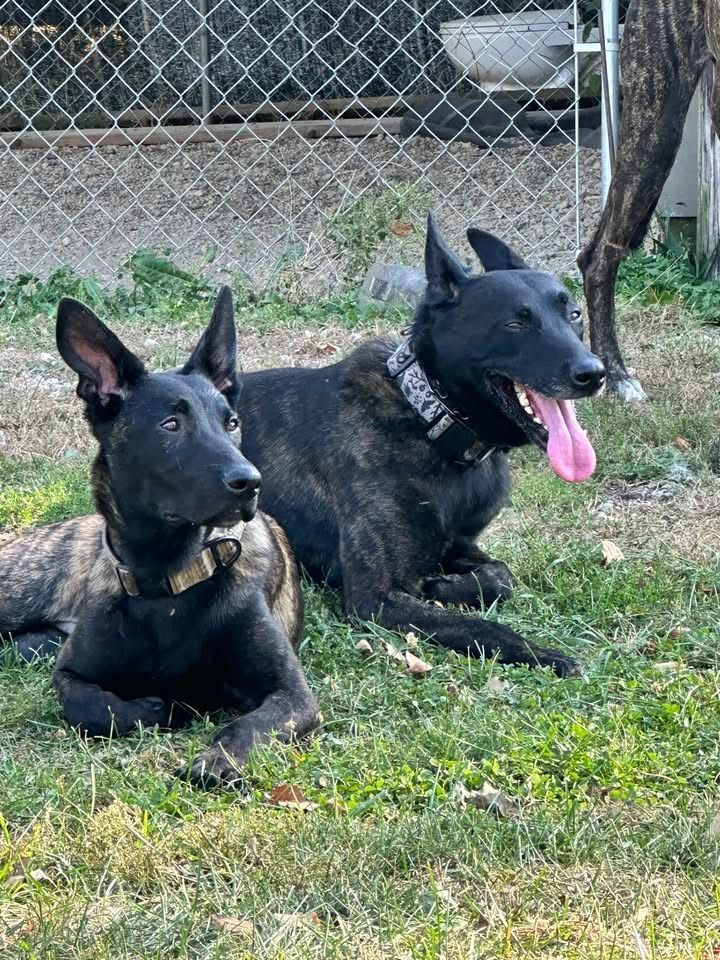
Meet the Stars (and thier hoomans) of our team.
Micheal Donovan
Navy Veteran & Certified Mold Dog Handler
Michael is a Navy Veteran with a heart for service and a commitment to helping families live in healthier homes. With 25 years of construction experience and over a decade as a business owner, he brings a deep understanding of how homes are built — and how to identify issues that affect their health. Michael holds multiple certifications in bathroom and home building and has extensive general construction knowledge.
A lifelong dog enthusiast, Michael has spent the past seven years as a professional handler and the last three as a trainer, sharing his experience and passion for working dogs. His background in both construction and canine handling allows him to approach every inspection with precision, patience, and a respect for the teamwork it takes to get accurate results.
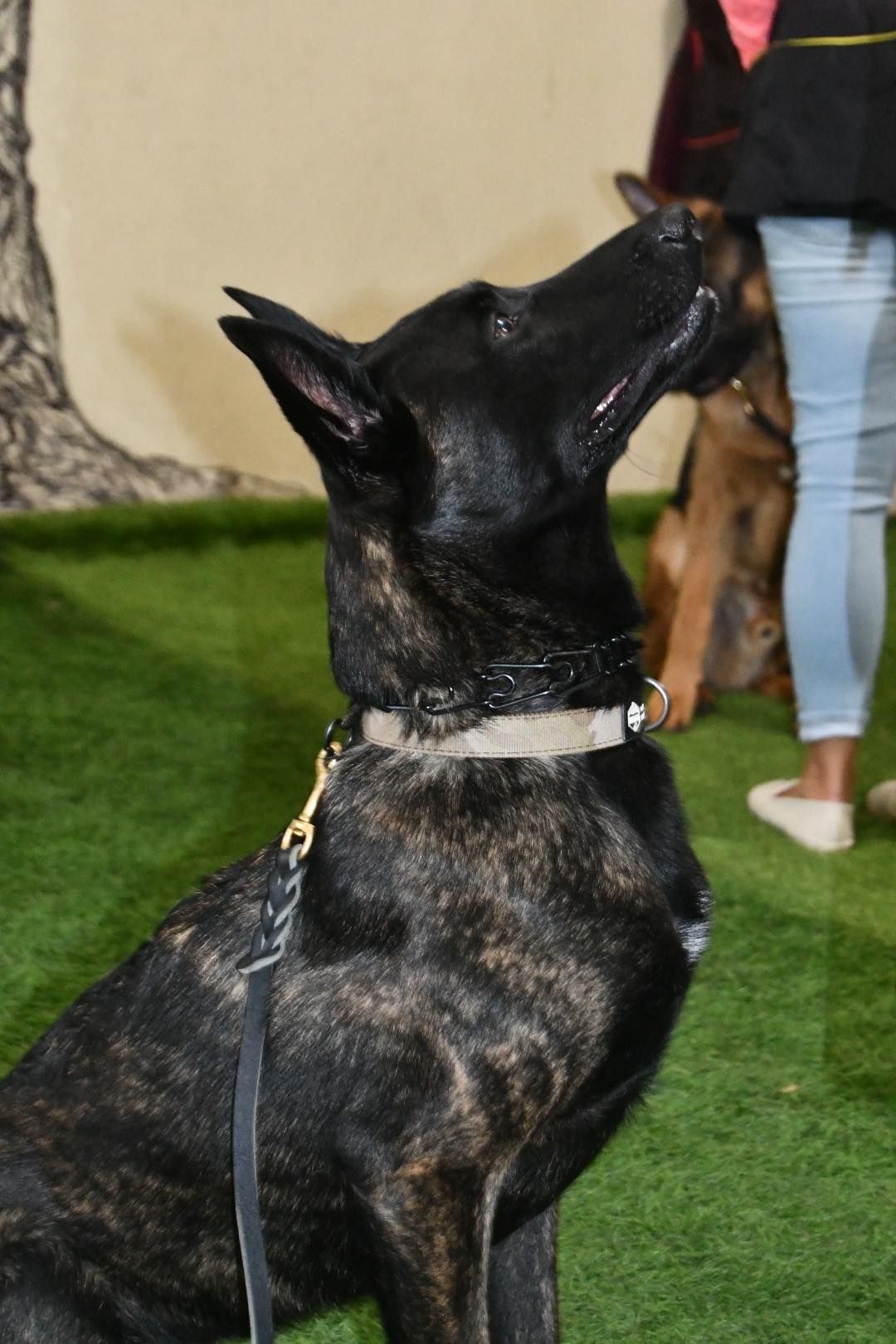
Echo
Lead Mold Detection Dog
We’re proud to feature Echo, a professionally trained and certified Mold Detection Dog. Echo received his certification through IronHeart Training Center, one of the most respected canine scent detection schools in the country. His advanced training ensures he can locate hidden mold sources with exceptional accuracy, even in the most difficult-to-reach areas.
Learn More
Training and Certification
Echo completed the Mold Detection Dog Handler Course at IronHeart, a program emphasizing real-world search scenarios and advanced leash handling. The curriculum is based on proven detection principles used by police and military scent dogs and adapted specifically for mold inspection.
Realistic Training Environments
Echo is trained to detect mold behind baseboards, inside drywall, under shower basins, along window sills, and other hidden areas that normal inspections will never find.
This makes him a powerful tool for inspections in homes, businesses, RVs, and vehicles — anywhere hidden moisture and mold can cause damage or health concerns.
Exceptional Lineage and Drive
Echo is a KNPV Dutch Shepherd from an exceptional working line. His lineage reflects generations of top-performing detection dogs:
Father – DEA K9 specializing in narcotics detection
Grandfather – Los Angeles Police Department K9
Great-Grandfather – Three-time French Ring World Champion
Mother – Bomb detection dog at the U.S. Embassy in the Bahamas
Echo’s drive, focus, and natural motivation make him an ideal candidate for scent work. Combined with IronHeart’s world-class mold detection training, these traits make Echo an invaluable asset for reliable and accurate mold inspections.
Why a Mold Detection Dog?
A mold detection dog like Echo provides an advanced tool for identifying hidden mold growth. With a sense of smell far more sensitive than any human instrument, Echo can locate mold behind walls, under floors, or in ceilings — areas often inaccessible during standard visual inspections.
Using a mold detection dog helps:
- Pinpoint mold before demolition or testing
- Reduce unnecessary sampling and inspection costs
- Detect multiple types of mold in a single visit
About IronHeart Training Center
IronHeart Training Center, established in 2008, is a family-owned program specializing in professional working dogs. Their team has been training scent detection canines since 1993 and has produced hundreds of high-quality dogs serving clients across the globe.
“The training staff at IronHeart select only the finest dogs to move forward in our program.”
IronHeart’s mold detection curriculum uses real mold samples, realistic containment scenarios, and detailed leash-handling instruction — ensuring graduates like Echo are ready for real-world conditions.
Certified and Ready to Work
Echo’s certification through IronHeart means he’s trained, tested, and certified to detect mold accurately and efficiently. His impressive lineage, specialized training, and proven drive make him a trusted partner for clients who want to locate hidden mold quickly, safely, and effectively.
To schedule an inspection with Echo, or learn more about how a certified mold detection dog can help identify hidden problem areas, please contact us
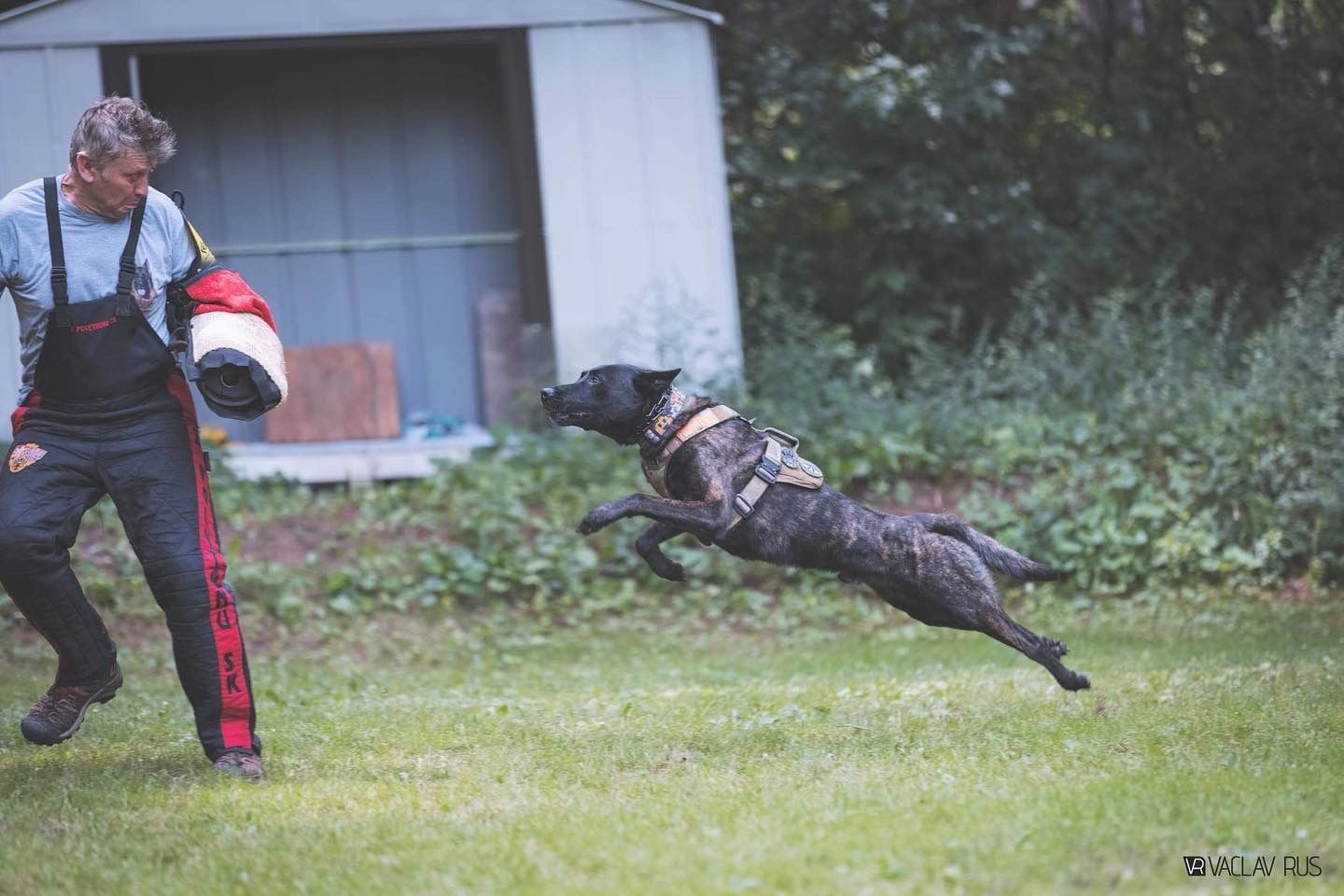
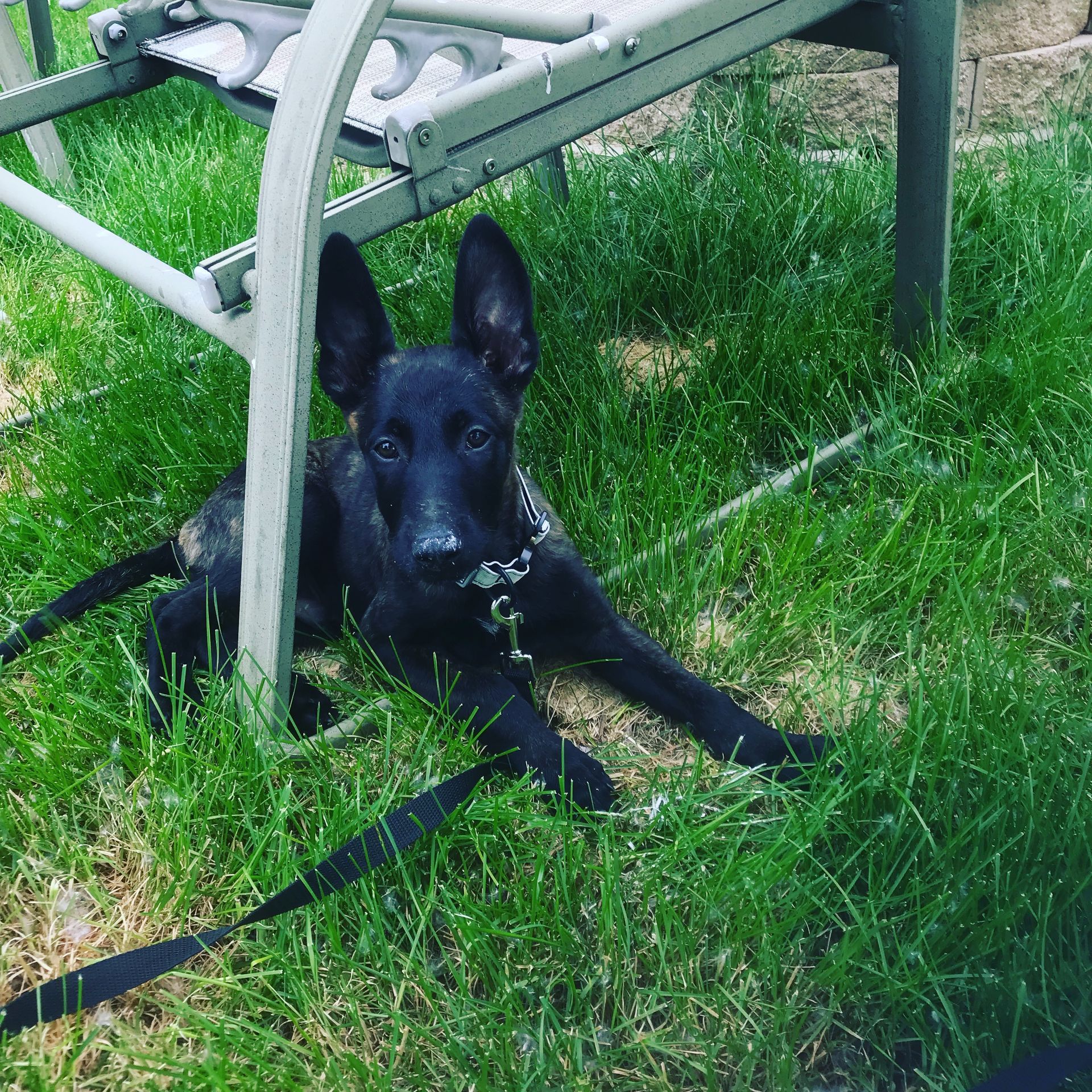
Goon
Detection Dog in Training
Meet Goon, our energetic young detection dog in training. He’s full of enthusiasm, curiosity, and drive — the perfect foundation for a future working dog. While he’s still early in his training journey, his natural instincts already show tremendous promise.
Learn More
Early Training and Development
Goon is currently working through obedience, protection work, and mold scent detection as we develop his foundation for professional detection work. His early progress in scent detection has been nothing short of impressive, and his natural focus and determination continue to grow every day.
We’re using this developmental stage to discover what makes him tick, building his drive, confidence, and precision in the field. His energy and natural ability make training sessions exciting and rewarding, setting the stage for long-term success as a mold detection dog.
Natural Scenting Ability
Goon’s scent detection instincts are remarkably similar to his father’s, who has already proven himself as an exceptional mold detection dog. Even at a young age, Goon demonstrates a keen nose and unwavering attention when searching for mold odors — traits that are invaluable in professional detection work.
Starting him young gives us the unique opportunity to build on his natural skills early, developing accuracy and consistency that will carry him through advanced mold detection training.
Looking Ahead
If Goon continues to show the same dedication and ability we see today, he’ll follow in his father’s footsteps by attending IronHeart Canine Training, one of the most respected detection training programs in the country.
With his drive, energy, and growing skill set, we believe Goon has what it takes to become our second certified mold detection dog, expanding our ability to locate hidden mold safely and accurately for clients across all types of properties.
Train with Purpose. Bond for Life.
At Ghost Paw K9 Group LLC, we don’t just train dogs — we strengthen the connection between humans and their four-legged partners. Every session is designed to build trust, respect, and lifelong companionship.
"Mike and Echo are an awesome team! Mike was communicative throughout the process and did a great job in explaining everyhting. I never felt at any point like i didnt understand exactly what was going on or what was coming next. Highly reccomend! "
— Justin P., Pingree Grove IL
Mold Detection FAQs
Why use dogs for mold detection?
Why Use Mold Detection Dogs?
When the mission is to locate hidden mold quickly and accurately, mold detection dogs provide a capability that traditional inspections alone cannot match.
A visual inspection is limited to what can be seen. Mold growth often develops behind drywall, beneath flooring, inside wall cavities, under cabinetry, and within other concealed building assemblies long before visible signs appear. Mold detection dogs are trained to identify the odor signatures associated with active mold growth, allowing them to pinpoint areas of concern that may otherwise go unnoticed.
Precision
Our dogs are trained to detect mold odors at their source, helping narrow the search area and reducing unnecessary exploratory demolition.
Efficiency
Large homes, commercial buildings, and complex structures can be screened in a fraction of the time required by traditional investigative methods alone.
Non-Invasive Investigation
Rather than opening walls, removing flooring, or conducting widespread destructive testing, canine detection helps focus further inspection efforts exactly where they are needed.
Early Detection
Mold can be identified before significant visible damage occurs, allowing property owners to address moisture issues before they become larger and more costly problems.
Verification of Hidden Contamination
Mold growth frequently occurs in areas that cannot be evaluated through visual inspection alone. Canine detection provides an additional layer of investigation for identifying concealed contamination.
Our dogs are not guessing. They are trained, tested, and deployed as highly specialized detection assets. Their role is to rapidly identify areas that warrant further evaluation, enabling a more targeted, efficient, and comprehensive inspection process.
What types of mold are harmful?
Five Mold Types Commonly Associated with Water-Damaged Buildings
Stachybotrys chartarum (Black Mold)
Often found on water-damaged drywall, ceiling tiles, paper products, and other cellulose-based materials. Stachybotrys is capable of producing mycotoxins under certain environmental conditions and is typically associated with long-term moisture intrusion. Building occupants may report irritation of the eyes, nose, and throat, coughing, headaches, and other symptoms that can vary widely between individuals.
Chaetomium spp.
Frequently found in buildings that have experienced chronic water damage. Chaetomium commonly grows on drywall, wood, subflooring, and insulation. Its presence is often considered an indicator of prolonged moisture exposure. Occupants may report respiratory irritation, allergy-like symptoms, and musty odors associated with active growth.
Aspergillus spp.
A large group of molds commonly found indoors and outdoors. Certain species are capable of producing mycotoxins and can colonize HVAC systems, insulation, carpeting, and water-damaged materials. Exposure may contribute to allergy-like symptoms, respiratory irritation, and can be of particular concern for individuals with compromised immune systems.
Penicillium spp.
Frequently discovered in water-damaged buildings, carpeting, wallpaper, and indoor dust. Some species are capable of producing mycotoxins under specific conditions. Occupants may experience symptoms such as sneezing, nasal congestion, eye irritation, and other allergy-related reactions when exposed to elevated concentrations of spores.
Fusarium spp.
Commonly associated with severely water-damaged materials and persistently wet environments. Certain Fusarium species are known to produce mycotoxins and can grow on drywall, carpeting, and other porous materials. Exposure may contribute to respiratory irritation, eye irritation, and allergy-like symptoms in susceptible individuals.
Important Note: Mold-related symptoms vary significantly between individuals, and the presence of a particular mold species does not necessarily indicate a health risk. Proper identification and evaluation should be based on a comprehensive inspection, moisture assessment, and, when appropriate, laboratory analysis
What are signs I might have mold?
Common Indicators of Mold Growth in a Building
Mold growth occurs when moisture is present long enough for fungal spores, which naturally exist in indoor and outdoor environments, to colonize building materials. While mold is not always visible, several indicators may suggest conditions that support mold growth:
Musty or Earthy Odors Many mold species produce microbial volatile organic compounds (MVOCs), which can create a persistent musty or earthy odor. These odors may be noticeable even when mold growth is hidden behind walls, beneath flooring, or within building assemblies.
Visible Discoloration or Growth Mold may appear as spots, staining, or growth ranging in color from white and gray to green, brown, or black. However, visible growth alone cannot reliably identify the mold species or determine whether mold is actively growing.
Water Damage or Elevated Moisture Levels Past leaks, flooding events, roof failures, plumbing issues, condensation, or prolonged high humidity can create conditions favorable for mold growth. Water intrusion is often a more significant indicator than visible mold itself.
Changes in Indoor Air Quality Occupants may notice persistent odors, increased dust accumulation, or a general decline in indoor environmental quality following a moisture event. These observations can warrant further investigation, particularly when accompanied by known water damage.
Unexplained Staining or Material Deterioration Warping, bubbling paint, peeling finishes, staining, deteriorating drywall, or damaged building materials can indicate chronic moisture conditions that may support hidden mold growth.
It is important to note that the presence or absence of these indicators does not confirm or rule out mold contamination. Mold growth can exist without noticeable odors or visible signs, while some conditions that resemble mold may have other causes.
Our mold detection dogs are trained to identify the odor signatures associated with mold growth and can help locate areas that may warrant further evaluation. Canine detection is used as a screening tool and, when necessary, findings can be confirmed through additional inspection, moisture mapping, or laboratory analysis.
How long does an inspection take?
How Long Does an Inspection Take?
Our inspections typically range from 2 to 6 hours, depending on the size of the property and the level of inspection selected. We offer three tiers of inspection services, each designed to provide varying levels of investigation and documentation.
Smaller homes and standard inspections are often completed in just a few hours, while larger properties or more comprehensive investigations may require additional time. For exceptionally large homes, estates, or complex situations involving extensive moisture intrusion concerns, inspections can take up to two full days to ensure every area is thoroughly evaluated.
We never rush an inspection. Our goal is to provide the most accurate assessment possible, which means taking the time necessary to inspect the property properly, document findings, and answer your questions.
Or, if you want something with a little more impact:
A thorough mold inspection isn’t something that should be rushed. Depending on the size of the property and the inspection tier selected, our inspections generally last 2 to 6 hours. Larger homes and more detailed investigations naturally require more time, and in some cases, inspections of large estates or complex properties can extend to two full days. We offer three inspection tiers, allowing homeowners to choose the level of investigation that best fits their needs while ensuring every inspection receives the attention and detail it deserves
What areas do you serve?
We are located in the greater Chicagoland area but cover most of the continental US. Contact us to confirm availability in your area. Note: Services may be limited in certain states due to regulations.