Ghost Paw K9 Group LLC
Canine Mold Detection Dog in Kenosha, WI
Ghost Paw K9 Group provides canine mold detection for Kenosha homeowners and buyers, just across the Wisconsin line from our northern Illinois base. Our dogs are not guessing. They are trained, tested, and deployed to locate the source of active mold, not simply confirm that spores are in the air. In a lakefront city with entire neighborhoods of century-old homes, that precision saves you from opening walls you don't need to touch.
Choosing the Right Team for Your Mold Inspection
A mold inspection is only as good as its ability to find the problem. Here is what sets a Ghost Paw canine inspection apart in Kenosha:
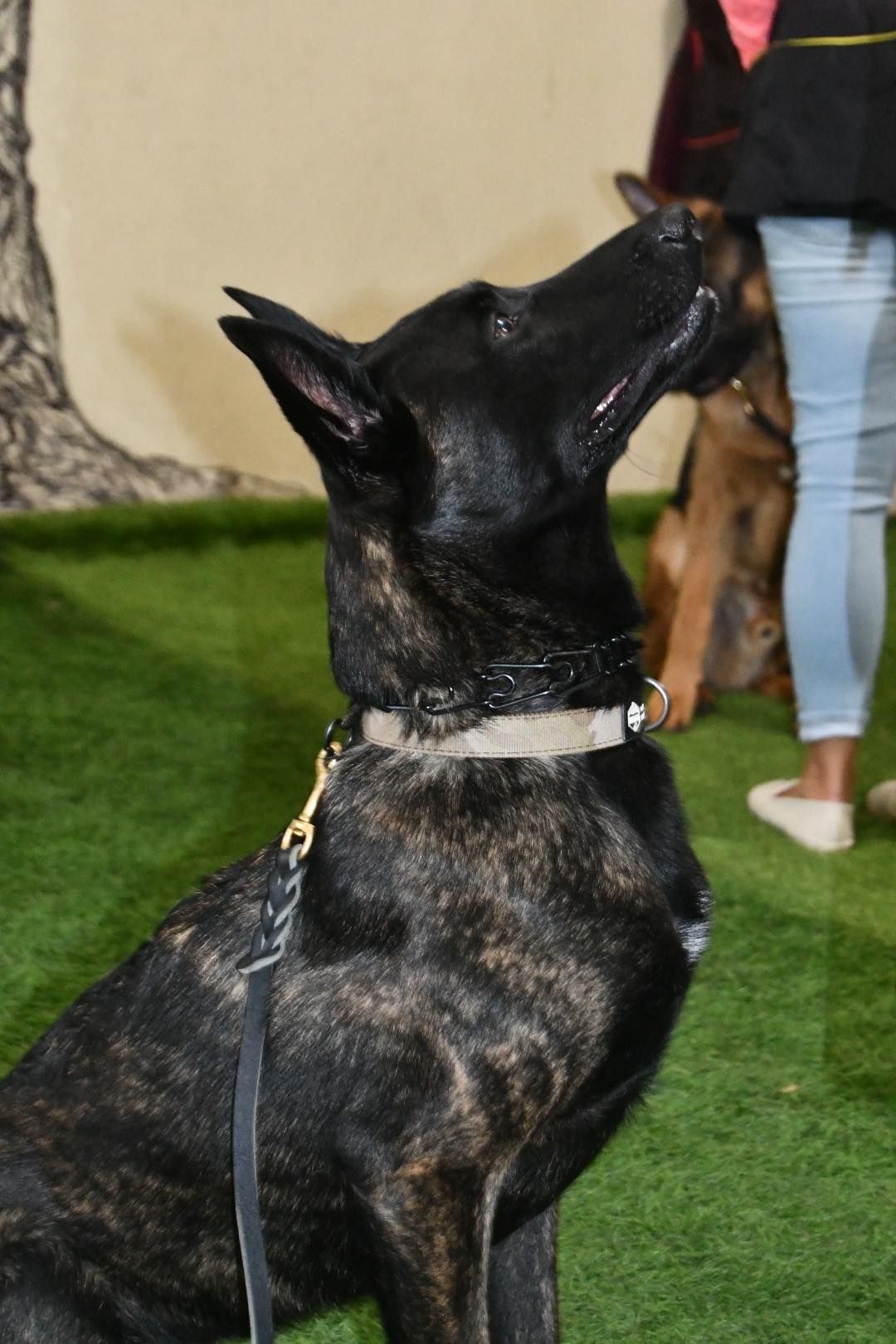
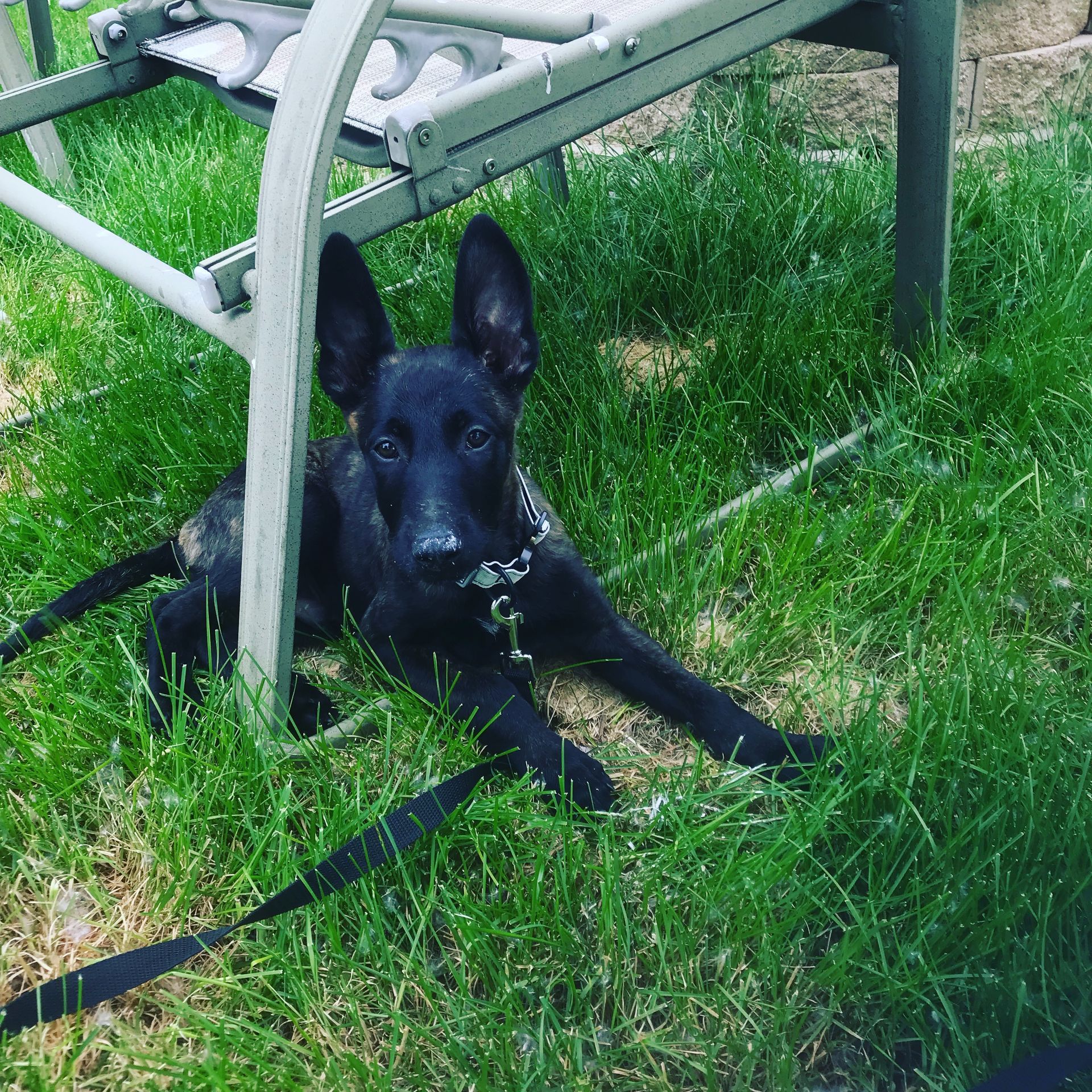
- A real detection dog, not a moisture meter. Echo is IronHeart-certified and pinpoints the source of active mold behind walls and under floors.
- Veteran-owned, construction-informed. Owner and handler Michael Donovan brings Navy discipline and 25 years of construction experience, so findings are explained in terms of how your home is actually built.
- Non-invasive and fast. No demolition to start, no waiting days on a lab.
- Local knowledge of Kenosha housing. We calibrate to your home's age and lakefront exposure rather than treating every property the same.
Why Kenosha's Lakefront and Historic Homes Hold Moisture
Kenosha grew up along Lake Michigan, and its most distinctive housing sits right on the water. The Third Avenue Historic District is a stretch of large, stylish homes built along the lakefront in the early 1900s, with early residences like the Yule House dating to 1899 and the Jeffrey House to 1909; the nearby Library Park Historic District includes homes going back to the mid-to-late 1800s. Houses of that era were built long before modern foundation waterproofing and vapor barriers existed, and their proximity to open water raises the ambient humidity around the structure and slows how fast a basement or crawl space dries after rain. That combination — old, absorbent construction plus persistent lake humidity — is a textbook setup for slow, hidden mold growth. A canine inspection tells you whether it has actually happened in your home.
Our Services
Ghost Paw K9 Group offers, throughout Kenosha:
- Residential mold inspections
- Commercial mold inspections
- Vehicle, RV & boat inspections
- Post-remediation mold inspections
New to canine detection? See
what is a mold dog
Also serving the WI lakeshore
Schedule an inspection or call (815) 355-7858. We also serve nearby Racine and Milwaukee; see all service areas.
What We Offer
Our Services
Tailored to every dog, every goal, and every owner.
Mold Detection FAQs
I own an older home near Kenosha's lakefront historic districts. Does that raise my mold risk?
It can. Homes in the Third Avenue and Library Park historic districts were built in the early 1900s and the 1800s, well before modern waterproofing, and many sit close to Lake Michigan. That lakefront position keeps humidity high around the home and slows how quickly basements and crawl spaces dry out after rain, both of which favor mold over time. A canine inspection identifies whether that long exposure has produced active mold in your specific house, and exactly where, so an older home is assessed on its real condition rather than its age alone.
What actually happens during a canine mold inspection in Kenosha?
Our handler walks Echo through your home on a planned path, giving special attention to basements, bathrooms, around windows, and any area with a history of leaks. Echo is trained to detect the odor of active mold and to give a clear alert at its source, including mold hidden behind finished walls or under flooring. The visit is non-invasive and usually takes well under an hour for a typical home. You get a clear account of where she alerted, which is where any further investigation or remediation should focus.
Is a mold dog better than an air-quality test for a century-old Kenosha home?
For an older lakefront home, usually yes. Air sampling can show that spore levels are elevated, but it cannot tell you where the mold is, and in a house with an original stone or brick foundation and decades of remodeling, the source is often buried. A dog follows the scent to the exact spot, so you can act on one defined area instead of a spore count. It is faster and less invasive than cutting into historic plaster or waiting on lab results.