Ghost Paw K9 Group LLC
Canine Mold Detection Dog in Crystal Lake, IL
Crystal Lake takes its name from the spring-fed glacial lake at its center, and that water table shapes moisture conditions across town. Homes near the lakeshore, in the older neighborhoods around the historic downtown, and in mid-century subdivisions with full basements all trap humidity that feeds hidden mold behind walls and under floors. Our canine mold detection team pinpoints active growth at its source, quickly and non-invasively, so Crystal Lake homeowners know exactly where the problem is before remediation begins.
Why Crystal Lake Homes Are Prone to Hidden Mold
The same glacial lake that gives Crystal Lake its name keeps the local water table high, and that groundwater works its way into foundations, basements, and crawl spaces across town. Homes close to the lakeshore sit with damp soil against their foundation walls for much of the year, and that steady moisture is exactly what mold needs to establish itself out of sight.
The city's housing mix adds to the risk. The older homes around the historic downtown were built before modern moisture barriers and vapor control, while the mid-century subdivisions that followed often feature full basements that collect humidity in summer and condensation in winter. In both cases, moisture tends to gather in the places homeowners rarely look: behind finished basement walls, under flooring, and inside wall cavities near plumbing.
Because this growth develops where it cannot be seen, a homeowner often has no clear sign of a problem beyond a faint musty odor or unexplained allergy symptoms. That is where a scent-based approach earns its value, locating the source directly instead of relying on visible staining that may never appear on the surface.
How Our Mold Detection Dog Inspects Your Crystal Lake Home
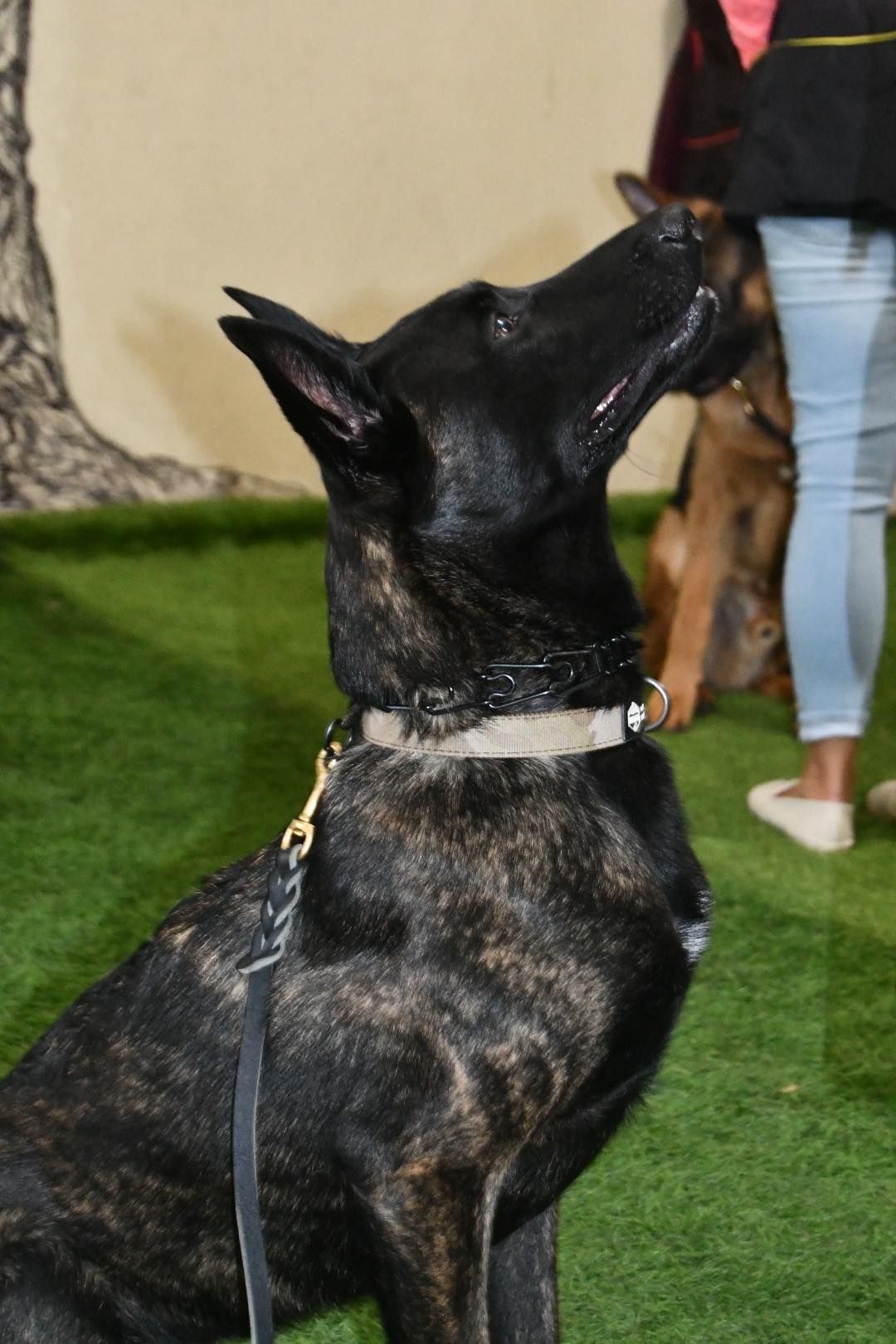
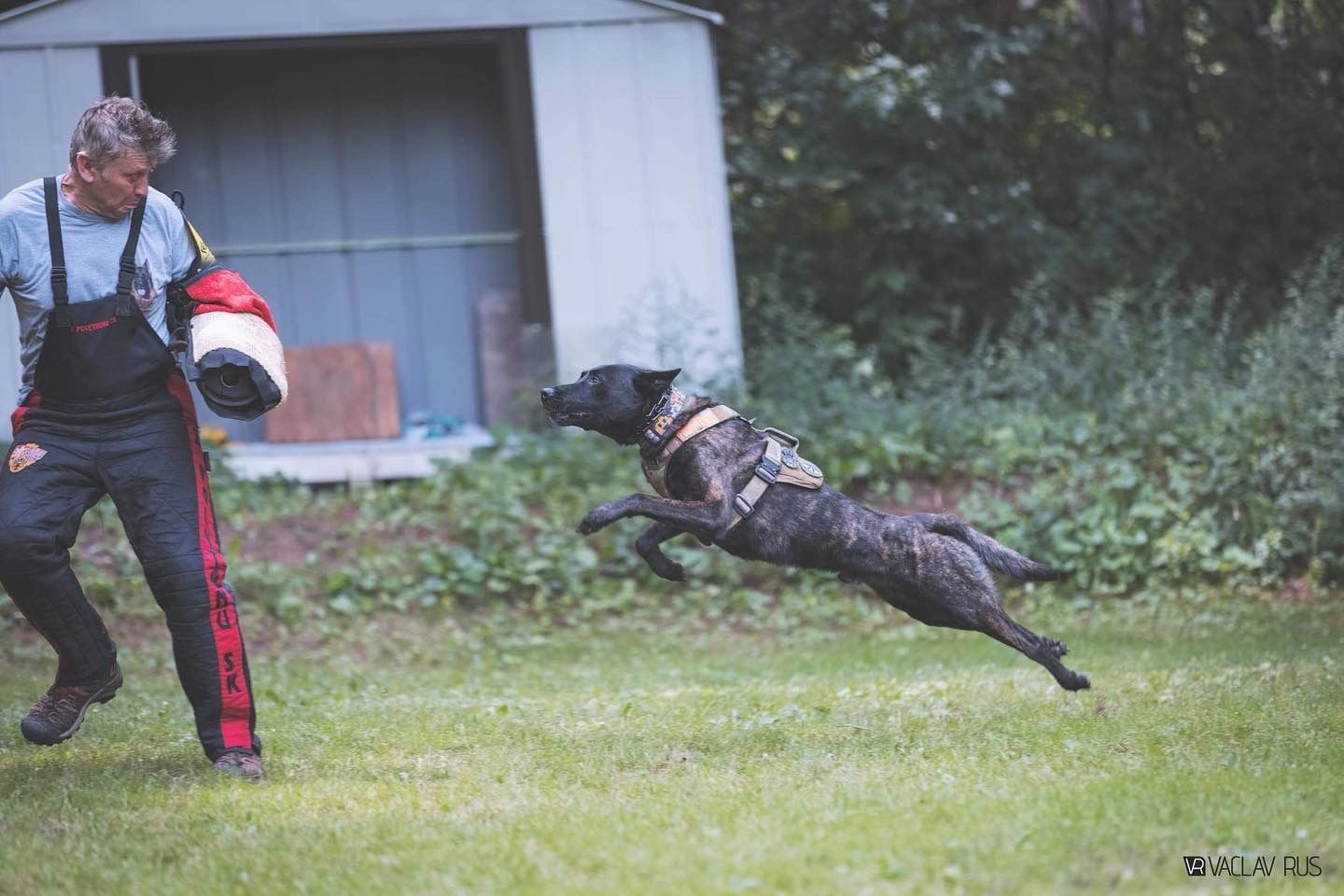
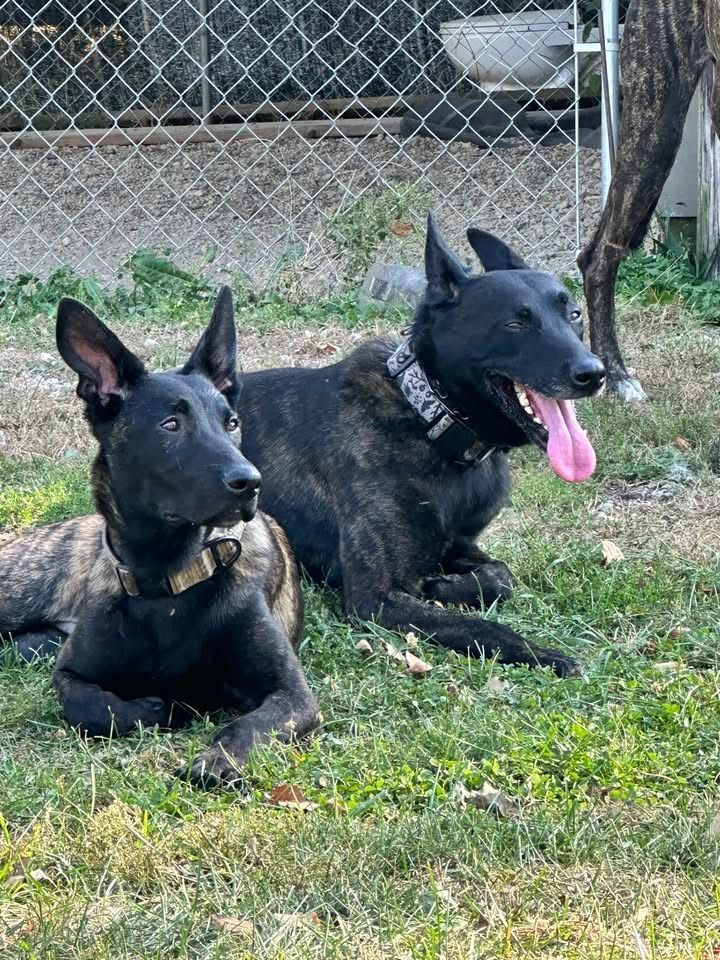
Our detection dog is trained to alert to the specific scent of active mold growth, not the surface stains a visual inspection depends on. That means the dog can work through a Crystal Lake home methodically, room by room, and signal the exact spots where mold is producing odor behind walls, under floors, and inside enclosed spaces a person cannot open up.
The process is fast and non-invasive. Rather than cutting into drywall or pulling up flooring on a guess, our handler follows the dog's alerts to map the precise locations that warrant a closer look. Michael Donovan, a NORMI Certified IAQ and mold inspector, leads each inspection and interprets what the dog finds in the context of the home's construction and moisture history.
You finish the visit with a clear picture of where active growth is present and where it is not. That accuracy lets you scope remediation to the areas that genuinely need it, and it gives you documentation of the problem before any repair work begins. Ghost Paw K9 Group detects the source; we do not perform remediation, so there is no incentive to find problems that are not there.
Mold Inspection Near You in Crystal Lake and McHenry County
Ghost Paw K9 Group is based nearby in Lake in the Hills and serves Crystal Lake along with the surrounding McHenry County communities. That local footprint means shorter scheduling windows and a team that already understands the housing stock, soil conditions, and flood patterns common to this part of Northern Illinois.
If you are searching for mold inspection near you, our canine detection service covers Crystal Lake and neighboring towns including Cary, Algonquin, McHenry, and Woodstock. Homeowners, buyers arranging a pre-purchase check, and property managers can all schedule a visit, and every inspection is handled by the same certified team.
To book a Crystal Lake inspection or ask whether canine detection is the right step for your situation, call (815) 355-7858. We will walk you through what to expect and find a time that works.
Choosing the Right Team to do Your Mold Inspection
Our specially trained dogs detect mold faster and more accurately than traditional methods, saving you time and money.
- Non-invasive detection behind walls and in hidden areas.
- Certified handlers with years of experience.
- Environmentally friendly and safe for your home.
- Quick results with detailed reports.
What We Offer
Our Services
Tailored to every dog, every goal, and every owner.
Mold Detection FAQs
My home is near the lake itself. Does living on Crystal Lake's shoreline increase mold risk?
It can. The neighborhoods that ring the lake, West End, North Shore, and the Vista, include many older homes built directly on the shoreline, some dating back well over a century. Proximity to open water raises ambient humidity around the home and can slow how quickly a foundation dries out after rain, both of which favor mold development in basements and crawl spaces over time. A canine inspection identifies whether that shoreline humidity has actually resulted in active mold growth in your specific home.
I've heard Crystal Lake has old rock quarries nearby. Does that affect groundwater or mold risk?
Yes, indirectly. The south side of the city has several former gravel quarries that filled with water over time, forming what are now known as the Vulcan Lakes, extending into neighboring Lake in the Hills and Algonquin. Areas near these old quarry lakes can have a higher water table than the surrounding area, which affects how basements in that part of the city handle moisture. Our inspection accounts for local water table conditions specific to where in Crystal Lake your home sits.
Does Crystal Lake's historic downtown housing carry different risk than newer subdivisions further out?
Generally, yes. Homes near the historic downtown district, some dating to the mid-1800s when the area was still known as Nunda and Dearborn, were built before modern foundation waterproofing existed. Newer subdivisions built during Crystal Lake's rapid growth in the 1990s and 2000s typically have more current construction standards, though they aren't immune to moisture issues from grading or plumbing. Our canine inspection is calibrated to your home's actual age and construction rather than assuming risk based on neighborhood alone.